signature honey collection

The Black Barn Apiary signature raw honey collection is where the apiary's core work is most visible: single-origin, unfiltered, unheated honey pulled from hives on our Illinois estate and bottled with nothing added or removed. These are the varietals that define what Black Barn produces — the benchmarks against which everything else in the catalog is measured.

Raw honey differs from commercial honey in ways that are specific and meaningful. It has never been heated above hive temperature, which preserves the enzymes, pollen, and natural compounds that give varietal honey its character. It has not been ultra-filtered for commercial clarity. The variation in color, occasional granulation, and slight opacity visible in the jar are evidence of what has been preserved — not defects to correct.

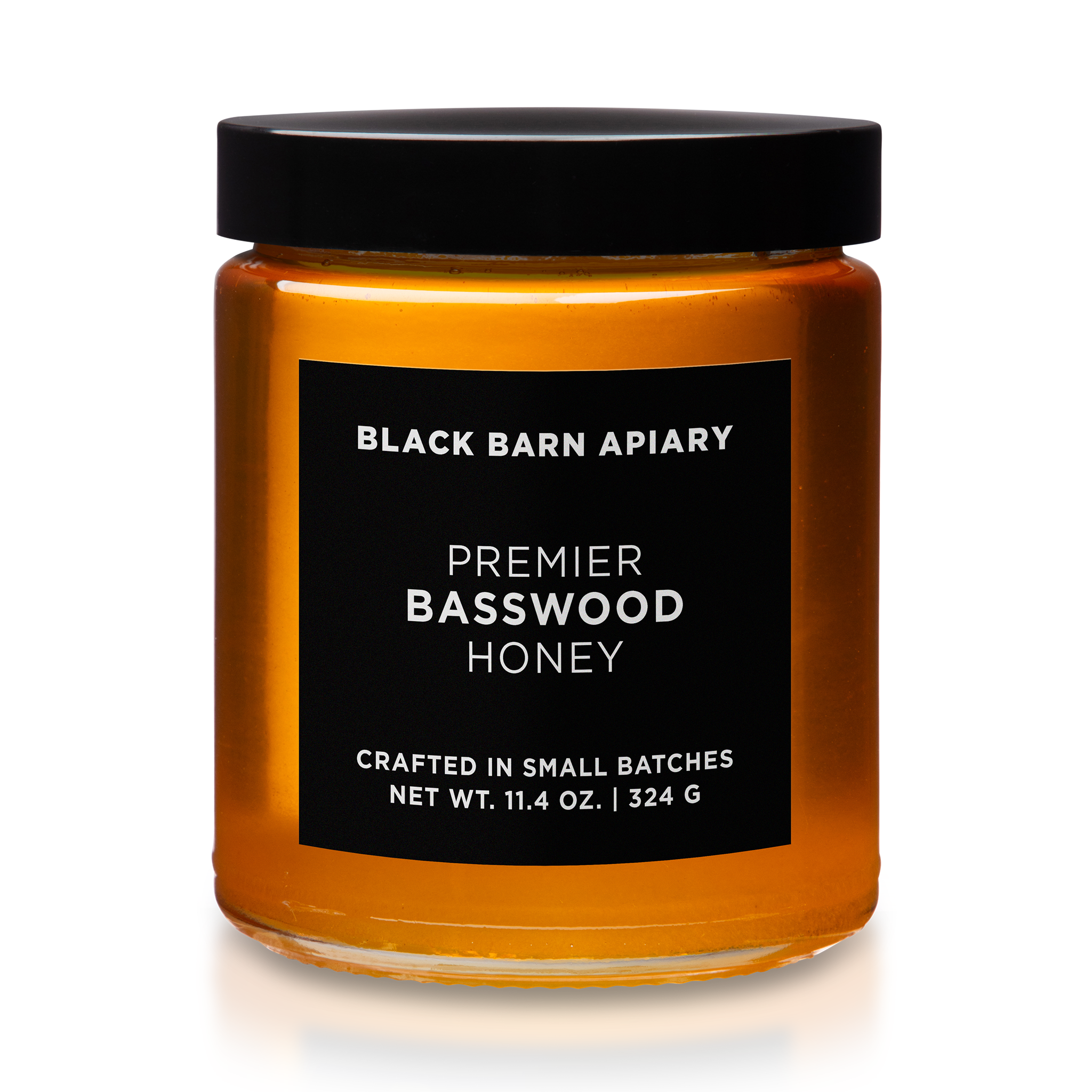
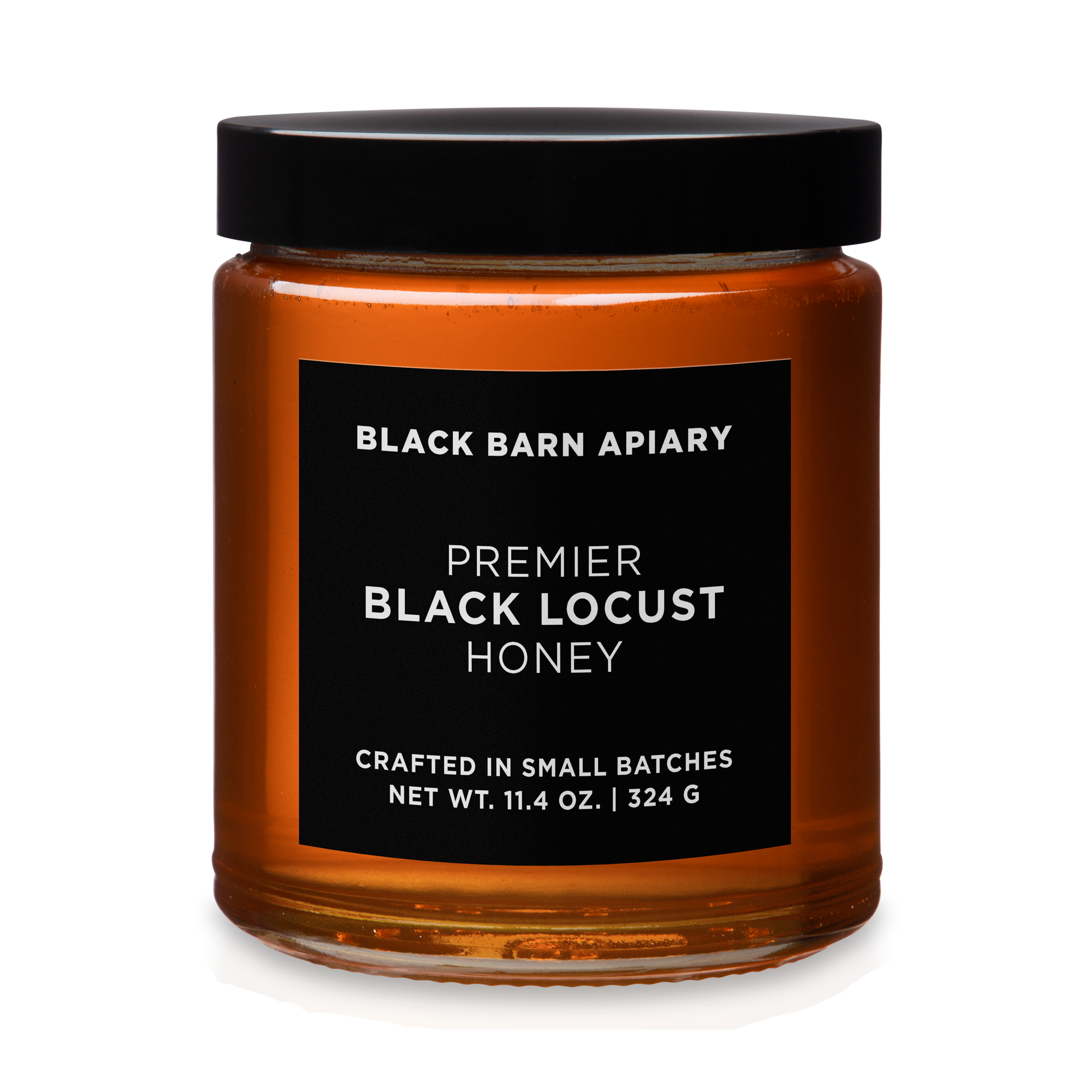
The signature collection includes our most consistent varietals: black locust, basswood, wildflower, and clover, each harvested separately and handled to preserve individual character. For those new to varietal raw honey, this collection is the right starting point. For those who already know what they reach for, these are the jars that hold the standard across every season.

What is the difference between black locust and basswood honey?

Black locust honey is light — almost water-white — with a clean, mild sweetness and a floral finish that lingers without weight. It is one of the most delicate varietal honeys produced in North America and among the slowest to crystallize. Basswood honey is bolder: amber-colored, slightly minty, with a distinctive finish that surprises most people tasting it for the first time. Both are estate-grown at Black Barn from blooms that last only two to three weeks per season.

Why does raw honey sometimes look cloudy or grainy?

Cloudiness and granulation are signs of quality in raw honey, not defects. Commercial honey is ultra-filtered and heated specifically to produce a clear, uniform product — a process that removes pollen and destroys enzymes. Raw honey retains its pollen (which creates opacity) and its natural glucose content (which crystallizes over time). A cloudy, slightly granular jar is more complete than the clear commercial product beside it on a shelf.

Which raw honey varietal should I start with?

Start with wildflower if you want to understand what raw honey tastes like without a strong varietal character — it is accessible and shifts interestingly with the season. Start with black locust if you want the most delicate, nuanced varietal in the collection. Start with basswood if you want something with real presence and a finish unlike anything you have tasted. The tasting flight is the most efficient starting point if you are uncertain — five varietals, one set, tasting notes included.